

On Letting Something Die
Setting aside a 10-year project and making way for new things to come

I don’t know how it lands for you, but the injunction to “take the unbeaten path,” for me, calls forward a smooth sense of possibility and potential. This phrase feels linked to the western ideal of a “pristine wilderness,”1 in that, if you spend a moment thinking about the actual words involved, you can see the disconnect that has formed between how they’re idealized and the realities they represent.
This is the well-noted effect of cliché: it takes away the productive friction of working something out by offering a well-used idea, or even string of ideas, that feel right in their familiarity, but which may not actually suit the situation at all. It’s why a lot of writers try to avoid using them, and why George Orwell said they allowed us to “shirk” thinking and the “trouble” of carefully crafted language, by instead “letting the ready-made phrases come crowding in.”2
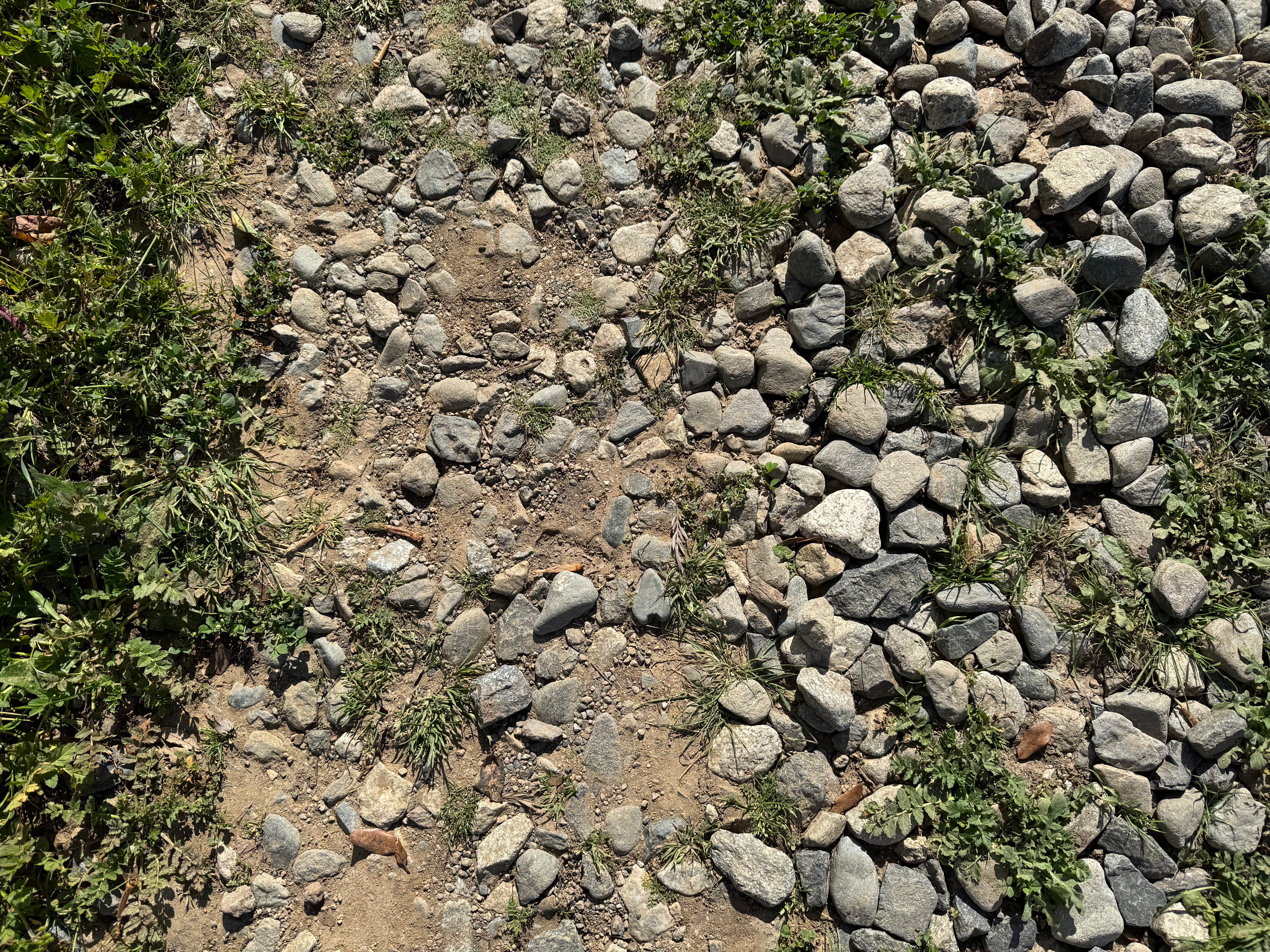
An unbeaten path is an uneven, overgrown place, one that poses difficulty, challenge, and even hardship. It is a way not stamped down over the course of years and many criss-crossing footsteps. Of course, the sense of possibility brought up by the cliché remains, maybe, once the phrase has been broken down to its literal meaning. But what also happens when this meaning is described is the recalling of the initial sense of warning that may have attached to these words.
Would you encourage someone to walk such a path without also saying, Watch for snakes! Or: You’ll want good shoes! Or: Others have tripped at this spot!
A lesson from walking: the beaten path often runs right alongside the unbeaten one. So, why choose to walk the rockier ground?
•
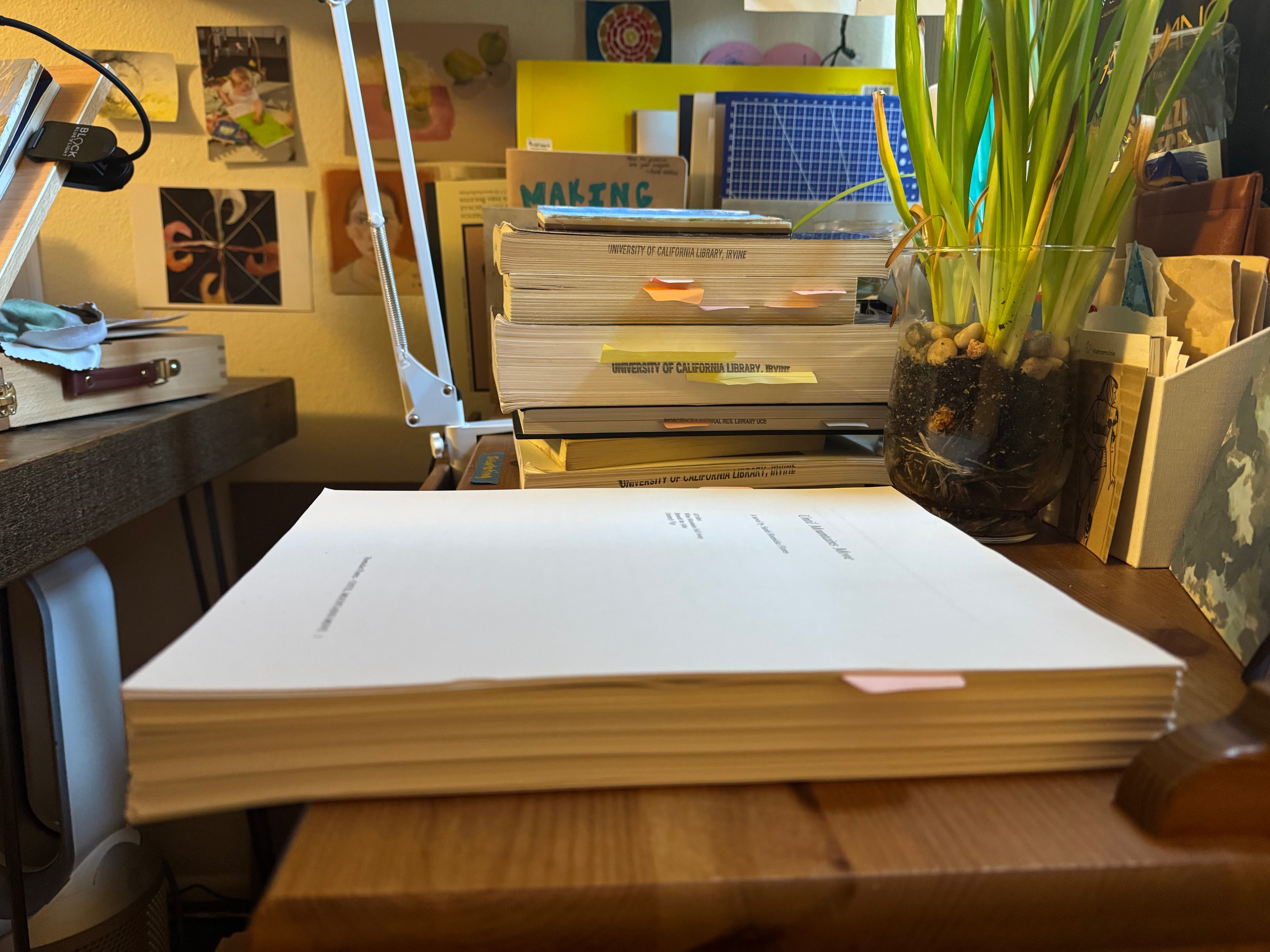
In January, I got some very tough news about a book project I started all the way back in 2016. In its current form, which is its third iteration, it isn’t working. I got this news from two trusted readers, who also told me the book wasn’t “dead on arrival,” and gave me some of their ideas about how to rework it.
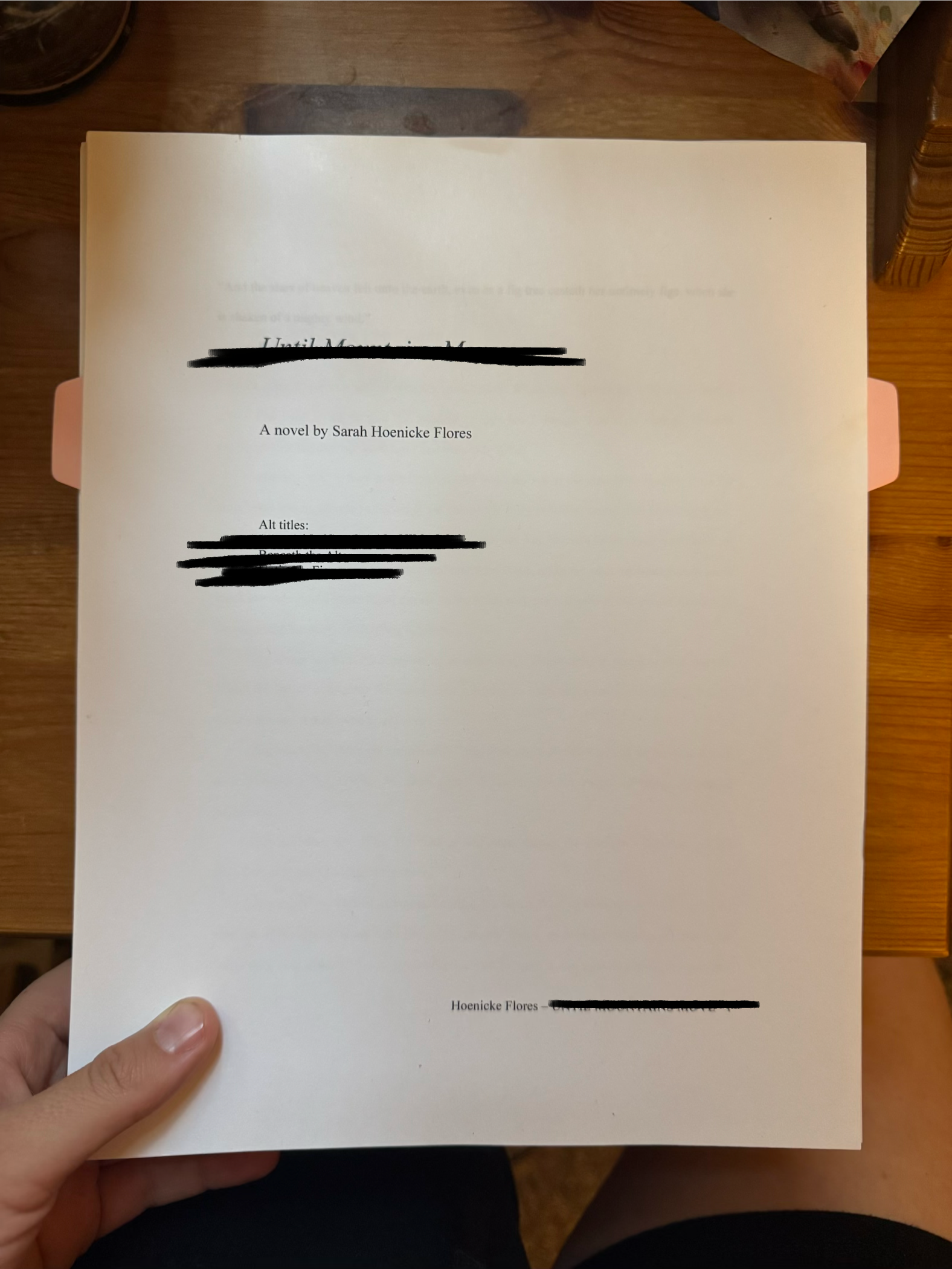
I did, immediately, start the writing again—the would-be fourth version. But then, with an aching heart, and after a lot of crying and talking to my best friend, I put the most recent version, printed out, into a drawer.
•
I have chosen a rocky career path, one with lots of stumbling places and unforeseen blocks. It isn’t easy to be a writer, especially in a country without reliable and affordable housing, healthcare, childcare, or education. My schooling is geared toward a future in teaching, but higher education, too, is more imperiled by the day.3 I plan to hand in my dissertation within the next six to 18 months, but the constant stream of news tells me that my years-long efforts can be replicated in a few hours by “regenerative AI.”4 (I don’t believe this last claim is true, and neither should you!)
In 2021, I began teaching myself to be a visual artist. In the slow-rolling wake of childbirth, I needed an activity to pull my mind away from the drain of new parenthood and origin-family grief. In the years since, hand-making images has become an exercise I depend on to process and connect with the wider world. This visual realm, too, is being cut to pieces—funding dropped, programs slashed.
It has always been difficult for unmoneyed people to choose careers in the arts but, with the threats posed by technology, the dwindling amounts of available institutional supports, and the ever-rising costs of living, it has begun to feel impossible for many of us.
As an artist-writer-academic-parent from a working class background (a.k.a. no parental backup, ever), I’ve started to wonder: where do I go from here? Is there even a “path,” rocky or not, to follow?
•
I started babysitting when I was eight years old, joining my older sister every Friday to take care of a group of 15-20 kids; I usually came home from working with a headache, and with spit-up and baby-snot on at least one sleeve. Anxiety about money has been with me for as long as I can remember. Though I’ve always worked, there has rarely been a moment when I’ve felt financially secure. This comes from having parents who nearly always seemed stressed about making ends meet, from working early in life, and from the very real difficulty in making a living that covers everything.
Getting stuck in that reactive anxiety loop about money is one way I’ve long dealt with financial difficulties, but, most of the time, I had faith that I would get somewhere in my vocation. Now that my vocations—all of them—are so imperiled, and I’m about to be on the other side of thirty-five, I’ve tipped into a new place.
Despair as an option for dealing with this new reality is one that I’ve unwittingly explored over the last eighteen months. Around the time I was preparing for and taking my PhD qualifying exams, in April of 2025, I found I could do nothing more at the end of the day, as I nursed my nine-month-old to sleep, than binge Netflix shows I’d already watched. I didn’t even have the energy for a new series.
I try to make sure my own kids are aware of money. That they know my spouse and I work for everything we have. I do this because I want to teach them to care for their possessions, to value the ways other people take care of them, and because I don’t want them to be shocked by adulthood. My plan is to gradually teach them how to make and save and think about the money they need, hopefully without also teaching them to obsess or stress about it. We’ll see how it goes. I also do what I can to protect the dream-space of childhood. I will not have them working at eight years old.
•
Ok, here’s the part where I give you some of the answers I’ve come up with, but please don’t understand these to be neatly transferable solutions or signs that I’ve found eternal-artmaking-happiness. Each of us creatives has to come up with the blend of work that’s sustainable and invigorating for our individual lives. For some, like Loulou Elliott, that might mean quitting your 9-5 and taking on a full time freelance practice. Others, like YouTuber Rachel of Green Velvet Creative, figured out that the anxieties of running a full-time art business are not what they want. We need structural change in the U.S., and institutions to be reimagined and rebuilt, so that regardless of the balance you imagine, things feel possible in a way they simply do not right now.
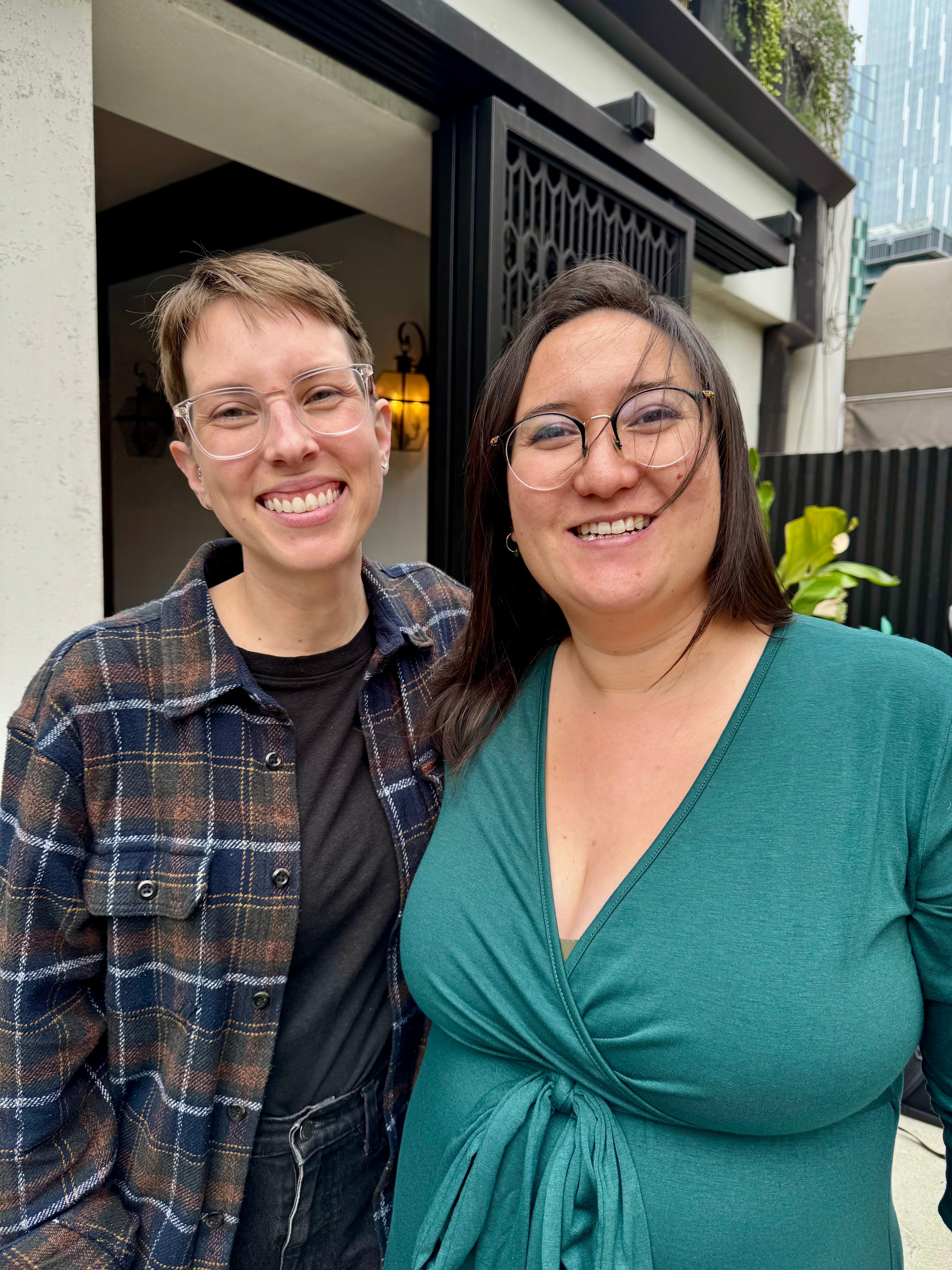
Until then, one thing we can each do, as Mel Mitchell-Jackson often writes about, is develop partnerships and community. These won’t solve our financial problems (at least not right away or in whole), but they can help us see that what we perceive to be our problems or failings are actually widely experienced phenomena related to the structures we inhabit. They can also be ways in to opportunities we would otherwise not be aware of. That’s how I heard about the Pollinator Co-op (thanks, Joy!).
It’s important to show up for each other, and to invite people to show up for you. When I had work up as part of a show at my university, I nervously invited my writing workshop, and many of them drove all the way out to support me and learn about my visual art practice.
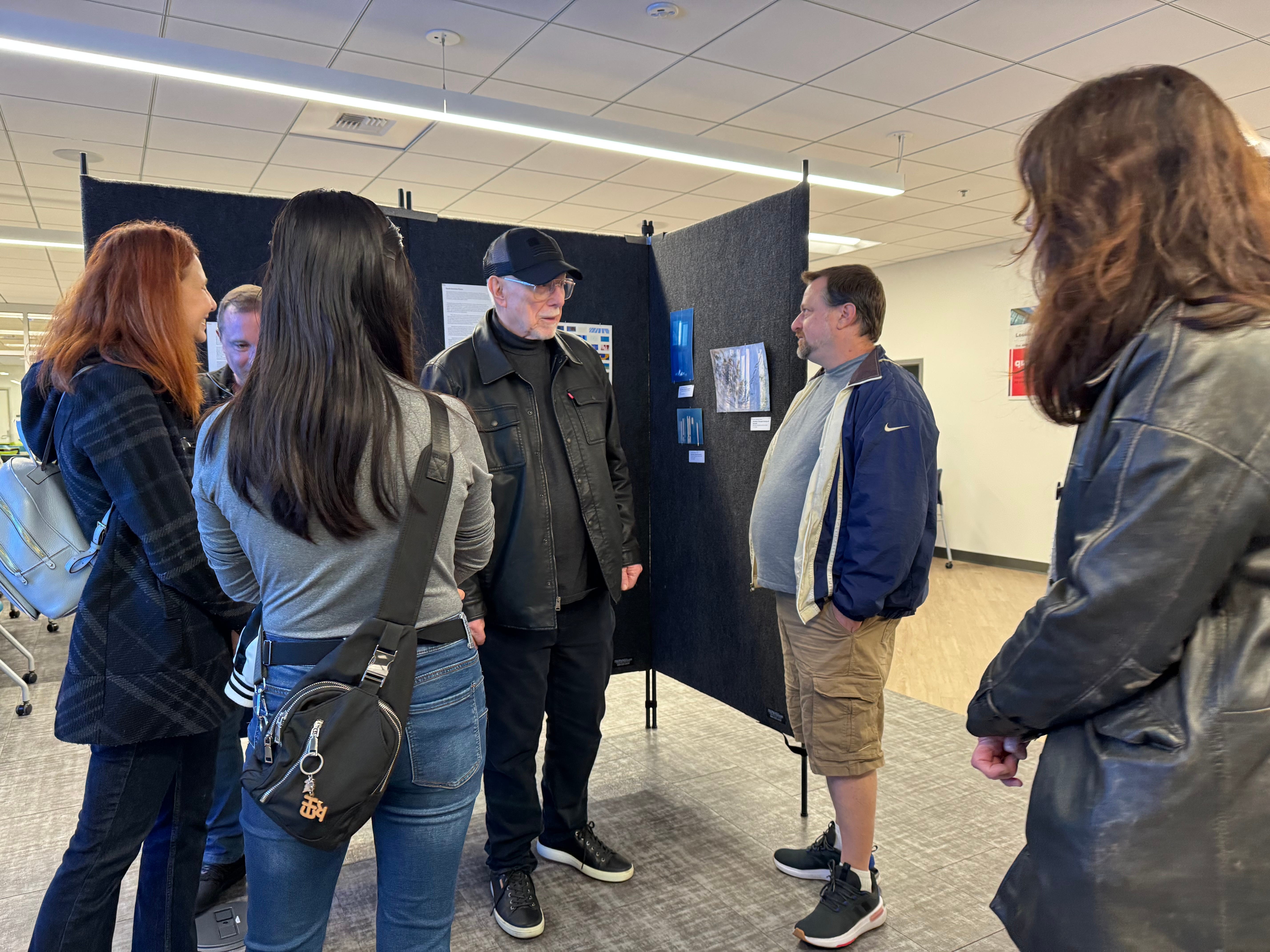
I’m also going to more things. In person. Each month, I look for events, shows, readings, and openings where I can go and support others in the arts, invigorate my own work, and make new friends. (If you can’t or don’t want to leave home, Substack is also a way to do this! I’ve invited people I hardly know to Zoom-drawing calls and made new and lovely friendships this way; hey, britta macintosh, Nimita Kaul, Sianna Lipson and other drawing buddies! There are also lots of online art and writing events. I sign up for author and editor newsletters, as well as the mailing lists of writing programs and residencies, to learn about these.)
It’s also been important for me to make time for as-yet-undefined projects. For a few hours on some recent Saturdays, my spouse has taken our kids so I could explore nonfiction ideas that have been in my head but under-developed. I read and took notes and just let myself think during those hours, with no defined projects in mind.
Since taking up this additional, amorphous work time, I spontaneously wrote two pitches, three days apart. I have no idea if they’ll get anywhere, but had I not already been doing that thinking and working, nothing would have been there to suddenly gain enough definition to shape a pitch. I also went to an online writing workshop with Lauren Kessler author, put on by Shirin Yim Leos, who often holds these kinds of events. It was free, and I learned so much, including some things that might get me to take that book up there out of the drawer. We’ll see. (In the meantime, I finished the first draft of my third novel (!!!!).)
To solve the money problem, I’m using what I already have as much as possible, mending our clothes, pretty much never eating out (I suggest picnics with friends, instead), and pitching work and applying to things as often as I can, in addition to, you know, working my jobs.
How are you facing down the dread? Especially if you made it this far, I’d love to hear from you in the comments.
— s
For more on this, see: Deur, Douglas, and Justine E. James Jr. “Cultivating the Imagined Wilderness: Contested Native American Plant-Gathering Traditions in America’s National Parks.” Plants, People, and Places: The Roles of Ethnobotany and Ethnoecology in Indigenous Peoples’ Land, edited by Nancy J. Turner, McGill-Queen’s University Press, 2020, pp. 220–37.
Orwell, George. “Politics and the English Language.” Horizon, April 1946. https://www.orwellfoundation.com/the-orwell-foundation/orwell/essays-and-other-works/politics-and-the-english-language/
See Nicholas Lemann’s March 9, 2026 essay in the New Yorker, “The Unmaking of the American University.” https://www.newyorker.com/magazine/2026/03/16/the-unmaking-of-the-american-university
Thanks, Addie Citchens, for this brilliant and subtle rephrasing: https://www.newyorker.com/magazine/2026/03/16/the-city-is-a-graveyard-fiction-addie-citchens
My position is a pretty privileged one. My partner (male) got a Phd and then got a tenure track job at a school that was also where we wanted to live. This was his goal, because of how he grew up with constant anxiety about money. The fact that he has now been granted tenure and has a union and guaranteed raises and all that has done a lot to alleviate his anxiety. I know this is like finding a unicorn, and he is straight and white, but it can happen. It has for other people I know too! I hope this comes across as encouraging and hopeful and all that. Just sharing my experience and I always strive to be aware of my privilege. I really appreciate knowing you (online) and enjoy reading your posts and watching your videos!
It’s seems difficult to make new friends that are meaningful when you reach adulthood and life takes over and monopolizes your energy. Meeting you and committing to finding time to do art together has been a highlight of this year. Thank you Sarah. 🥰